Phone: 616-217-9489 | eMail: jude@midlifetoolsforliving.com
JD's Midlife Tools For Living Practices, LLC
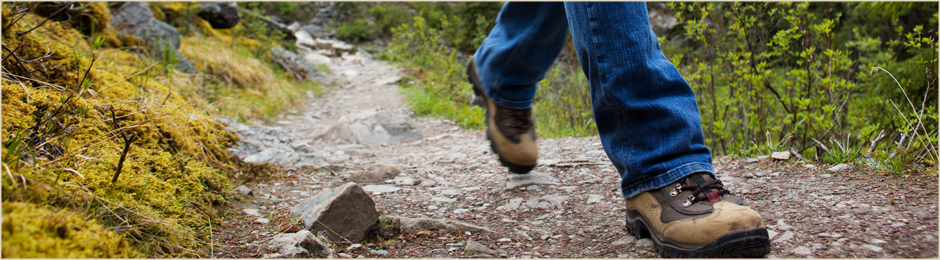

Image by: freepik
Several years ago, I had a professional manicure and it was yummy. It was fun to have fancy fingers for a while. It was even better to have rid myself of some shame I had carried for a very long time. I went on a ‘shame diet’ that day.
I realized in the mist of my manicure what it was that kept me from having the experience sooner in my life. When I was in high school way back a thousand years ago, in speech class we had to do a demonstration speech. I was a very awkward freshman that year.
One of my classmates was in a cosmetology program and she did a demonstration speech on doing a manicure and asked for a volunteer. I was up in the front and offered. But she took one look at my fingernails and made a disparaging comment about my nails and found someone else.
I don’t recall anything else about her speech except her arguing with the teacher about whether it was ok to cut cuticles or not…she said it was and the speech teacher said NO!
So, I asked my manicurist that day whether it was ok or not since I wondered all those years. And yes, Mrs. grumpy whatever your name is speech teacher, it is ok to cut cuticles!
That comment and my shame about my nails kept me from having someone give me a manicure for so many years!
Comments we make towards others can have dramatic effects on them. I understand that the student needed an easier set of fingernails to tackle for her 3-minute speech. I don’t blame her at all. But, that comment made in front of a whole classroom of people stayed with me all those years.
What I did as the manicurist worked on my nails was to tell her a bit of my story which allowed me to release the shame I had carried all those years…finally and thankfully too!
We all experience shame in life in varying degrees. It’s just a part of the human condition.
Circumstances come together in ways that affect us. I might have been able to brush off that comment if other things had been different in my life up until the moment it was made.
What is most important is that we give ourselves the gift of opening up with someone we can trust about the shame we carry so we can release the load.
I have to admit that I did feel a tad bit lighter that day leaving the salon…I call it a “shame diet”!
1. What is an experience from the past that you carry and are willing and ready to lose the weight of today?
2. Determine who might you confide in to share your experience.
3. And then make time to share of your experience to lighten your load!
If the shame you carry is too overwhelming do reach out for some professional help. You can Contact Me today and get your ‘shame diet’ started!
JD’s Midlife Tools For Living Practices, Holland, MI
Offering Heartfelt care, Compassion and Coping Tools

Photo by Angelica Reyn; Pexels.com
A functional freeze is a very real and adaptive coping mechanism. The person is not stuck or frozen rather they go through the motions of life but are not fully present. They are disconnected and acting on autopilot. It can last for minutes, hours, days or even weeks.
A functional freeze response can be triggered by a number of things like having high levels of stress at work or home, or from intense conflicts in a relationship.
Functional freeze reactions are automatic. They are a way your body helps you avoid distressing emotions, thoughts or sensations.
Under stress our brain activates our body’s sympathetic nervous system. When our nervous system is repeatedly overwhelmed a functional freeze response can occur.
It’s unlikely for you to experience a functional freeze response after one single trauma incident. Rather those coming from chaotic or abusive households, childhoods or workplaces are more susceptible to developing them.
When someone is in a functional freeze they may feel emotionally numb, tired but wired, and have buzzing anxiety. In addition, they can experience feelings of dread, irritability, sudden sadness, and detachment. Also they may feel trapped, have extreme panic and blunted feelings.
Their thinking may be slowed. They can have confusion and difficulty making decisions. In addition be speechless, have reduced responsiveness, and difficulty with memory retrieval. They can have a sense of unreality, a mind that goes blank and have racing thoughts. Also, they can fear losing control.
Some physical effects include lowered heart rate and slowed breathing. They may hold their breath, be immobile. Also they can experience fainting, muscle tension, cold extremities, and heavy sweating. And, they can be hyper-vigilant, stare, and tremble too.
As a result it can feel as if life isn’t real. In addition, people report having brain fog—exhaustion, difficulty concentrating or be emotionally unresponsive.
Everyone’s experience is unique to them. And, it can be difficult for others to see this going on underneath the polished exterior we present to the world.
Functional freeze experiences do get in the way of experiencing joy, and making connections with others too. As a result, it can be difficult to find meaning in life.
People feel checked out and stuck. Importantly, they report missing out on pursing life goals and dreams.
Grounding techniques are the best way to break free. Importantly, these are tools to help you be present in your environment.
-Notice and say to yourself 5 things that you see right now, 4 things you can touch, 3 things you hear, 2 things you smell and 1 thing you taste.
-Stomp your feet on the ground.
-Pick a color and identify 5 objects you see in that color.
-Pick up an object near you and notice how it feels—soft or hard, heavy or light, smooth or ruff and describe it to yourself.
-Describe in detail everything that you see around you—the colors, the smells, the textures, the temperature.
-Touch something that feels comforting to you—a blanket, stone, favorite sweater. Importantly, think about how it feels and notice the sensations as you touch or hold it.
-Listen to music. And notice any sensations you feel as you listen.
-Take a short walk. Concentrate on your steps and how it feels to put one foot on the ground and lift it and then the other.
-Clench your fists and hold. Importantly, notice the difference you experience as you release your hands.
-Stretch your body, hands up over your head, stretch and reach upwards, hold and release.
So these tools can help you begin to reconnect with the world around you. Certainly remember it takes practice and patience with yourself too.
Do contact me. PTSD Treatment and Anxiety Therapy can assist you in reconnecting yourself to the world around you!
JD’s Midlife Tools For Living Practices, Holland, MI
Offering Heartfelt care, Compassion and Coping Tools

Photo by Karolina Grabowska; Pexels.com
We can be manipulated in any kind of relationship–at work, in friendships and in our family. Basically people pressure others in sneaky ways to get what they want.
As a result, they have control and power over you. They control how you act and take away your ability to think and feel for yourself.
Being manipulated affects our relationship with that person, with others in our lives and with our own mental health too! It hurts.
-You feel guilty—the manipulator portrays themself as the victim or makes it seem like you owe them.
-You doubt yourself—after being told you can’t do something or don’t understand you start to believe it.
-You are coerced to do they want—they are angry and blow up even in front of others so you give in.
-You feel less than—they compare you to others, you don’t measure up and they insist they are just trying to motivate you to do better.
-You get charmed—they shower you with compliments and praise to build your trust to get what they want.
-You feel threatened—they give ultimatums and threats to get their way.
Those who manipulate others are skilled at spotting weaknesses in others and they figure out how to use this to their advantage against you. Also, they don’t give up easily.
A manipulator gets you out of your comfort zone so they have more control.
They alter and twist facts, lie, make excuses, blame you, only share some of the facts. They will exaggerate, generalize and make vague accusations.
Manipulators use humor in a cruel way to poke fun at your weaknesses, judging you openly. They ‘gaslight’ you by saying something you know happened never did or was never said.
Manipulators are passive-aggressive using indirect ways to express their anger. Or give you the silent treatment to punish you.
Being manipulated takes an emotional toll. It’s important to find a safe way out of the situation.
Above all step back and look at the situation, at the facts. Trust your gut. Especially consider what your intuition is telling you about the person and how you are being treated.
Importantly, put some distance between yourself and the manipulator. Consider how you want to be treated and what you need from others to be happy. Think about what you want and need in your relationships.
Set some boundaries. Limit how often you see and interact with the manipulator. Limit what you share. Keep your conversations short and very general. Respond unemotionally when they attempt to get you worked up.
Pause for a moment before you agree to do anything the manipulator asks or demands of you. Ask yourself if that is really something you want to do or if it is not.
Remember you have the right to say ‘yes ‘and importantly ‘no’ to anyone or to any request made of you! And, do exercise your right to say no when you want and need to.
Additionally get support for yourself when you are being manipulated. It is very painful and confusing to be manipulated. It hurts deeply too.
Reaching for help is especially important if the situation is abusive in any way. If you are in immediate danger call 911. The National Domestic Violence Hotline 800-799-SAFE or text START to 88788 are resources too.
Do contact me. Anxiety Therapy, Depression Therapy and PTSD Treatment helps heal the wounds that being manipulated creates.
JD’s Midlife Tools For Living Practices, Holland, MI
Offering Heartfelt care, Compassion and Coping Tools

Here in West Michigan we live in one of the top 3 regions in the US for having the greyest winter days! We are out ranked by the Anchorage Alaska and Seattle Washington regions. Grey days and limited sunlight can trigger Seasonal Affective Disorder or SAD.
Holland Michigan has overcast or mostly cloudy skies about 67% of the time in the winter. January is the cloudiest month with over cast skies happening about 71% of the time!
All the cloud cover is due to effects of the lake. Moisture from Lake Michigan combines with the cold air creating all those lovely clouds and grey days we see.
SAD is a type of depression that is linked with reduced sunlight. Less natural light can cause us to experience a decline in our body’s ‘feel good’ chemical called serotonin that resides in our brain.
The sun is our primary source of vitamin D which is an essential nutrient for our overall mental and physical health. Without the sun we can experience vitamin D deficiencies. This can lead to fatigue, mood changes—depression and anxiety and low energy.
As the nights get longer our body’s production of melatonin increases. Melatonin is a sleep related hormone and, in the evening, it helps you feel sleepy. Having too much can lead to sleepiness, being lethargic and mood changes too.
Sadness, feeling depressed most of the day, almost every day
Anxiety
Carbohydrate cravings and weight gain
Extreme fatigue and lack of energy
Feelings of hopelessness or worthlessness
Trouble concentrating
Feeling irritated or agitated
Limbs (arms and legs) that feel heavy
Loss of interest in usually pleasurable activities, including withdrawing from social activities
Sleeping problems (usually oversleeping)
Thoughts of death or suicide
Light therapy, vitamin D, psychotherapy and medications are helpful treatments for winter-pattern SAD. Talk with your doctor to see what’s best for you.
For some additional ideas on how to help yourself with SAD, do look at my blog post: Does the time change cause seasonal depression?
If you have intense thoughts of death or suicide don’t hesitate to call 988, 911 or go to the nearest emergency room for immediate assistance. You are worth taking good care of!
Do Contact Me today to begin depression therapy so your SAD doesn’t overwhelm you and you can enjoy a wonderful day!
JD’s Midlife Tools For Living Practices, Holland, MI
Offering Heartfelt care, Compassion and Coping Tools!
Image by syarifahbrit on Freepik
If you are at all like me and perhaps the majority of us, fairly often you want things to be different than they are…especially with life challenges.
For example, the tea bag I just tossed in my waste basket fell on the outside of it. And I grumbled when I got up to pick it up to place it inside. I wanted it to land there to begin with and I was a bit irritated that it didn’t.
Now that’s a very minor example of my resistance to what’s transpired and the subsequent emotional results my resistance created. But think about it, things happen all day long.
When we have a want for life to be different than how it unfolds, we or rather I, can create a lot of pain for myself when I make judgments of those unfolding events.
Minutes, hours, days, weeks, years of letting my brain keep doing what our wonderful brains do—evaluate and judge, adds up to a lot of accumulative distress, misery and pain.
After all, I can’t change the fact that my tea bag didn’t arrive in the basket when I initially tossed it! I don’t have the power to go back in time to alter my aim.
My grumbling about it and the irritation I felt just caused me a bit of distress that I did to myself! The distress I felt was from me making a judgment and reacting with it!
It can help us to become aware of our thinking and label our judging thoughts as ‘a judgment thought’ as we recognize what we’ve just done.
It’s important however not to judge our judgments!
Be gentle with yourself for having a brain that is actually doing what our brains our designed to do—evaluate. After all judgements about situations can keep us out of harm’s way, too.
Simply noticing the judgment thought will help you disengage from the emotional outcome of your judgment. And, you may like me find yourself smiling with yourself too.
Being very human and catching a behavior that has a costly emotional effect on your life will ultimately cause a little less distress in your day!
So, what happens to you emotionally when you pass a judgment on the life challenges that unfold in your day?
Contact Me together in anxiety therapy, depression therapy we can explore various life coping tools for you to incorporate into your life’s journey!

Our lives are teaching us…that saying is really so very true. My life is constantly teaching me things. Most importantly I keep learning about me. Including reaction habits of mine that get in my way!
At times something happens and I am able to see a reaction habit I have that I hadn’t seen before. When I see clearly it helps me grow and know more about me.
It was back in my mid 20’s when I was learning how to be a separate person from my parents and wanted to change how I reacted to my mom. I vividly recall seeing an old very familiar way I had been reacting towards her mid doing. And, I smiled at myself for catching me.
There was such power in that moment because I saw what I was doing. And as a result, was able to intentionally change my reaction habit.
My mom however caught that smile and thought I was being smart with her! I explained that I had just realized what I was doing in that interaction we were having. I shan’t forget that important moment of my life.
It’s easy for us to be caught up in what someone else is doing that rubs us the wrong way. That focus however keeps us from learning about ourselves and growing and, keeps us in misery and suffering. We can end up experiencing depressed and anxious moods too.
Learning how to see, watch, be witness to our own thoughts, reactions, behaviors is where wisdom and growth lie. This is how we make change happen and peace dwells within our soul. And, we get to have a smile on our face too!
If so, what is your reaction habit of thoughts or behaviors in your interactions with that person? Put your mind’s eye on what you are doing, thinking, saying when they are being them. Notice and observe you.
We fall into patterns and form habits in our close relationships. Reaction habits are much like dance partners who each know so well how and where the dance routine is going to go next. If one alters their dance step, moves in another direction, the partner has to adjust and respond differently too. The dance changes for both of them.
In conversations if we change our reaction habits by responding in a different way, we change the flow of the discussion. The dynamics change and so does the outcome. Even a small change makes a difference in altering a reaction habit. And importantly we gain control of our self.
It does take practice and lots of it to change a habit of any kind including a reaction habit. Be patient and kind to yourself as you practice too.
Don’t hesitate to reach out for professional help. Therapy can help us identify reaction habits that cause us emotional distress and harm not only ourselves but our relationships as well.
Do Contact Me Depression Therapy and Anxiety Therapy does help us learn about our self!
JD’s Midlife Tools For Living Practices, Holland, MI
Offering Heartfelt care, Compassion and Coping Tools!

Image by freepik
We all wish for each other to have a happy new year. But in reality, it takes more than wishes to create a happier new year! It takes intention and attention and practice too.
Read on to find some keys to open a few doors towards a happier new year!
An important question to ask yourself especially when you find yourself feeling on the unhappy side of life.
There are so many ugly things happening all over the world. We can get so bogged down with what is going on out there in out their land. We can’t control it. But we can control how much we expose ourselves to it.
Same with what other people think and how they react. That is there’s not ours to control. We only have the power to tend to our reactions and thoughts and the way we communicate with others. We do have the choice to not let others reactions which we have no control over get to us!
No, that stuff that upsets us won’t go away. However, we don’t have to make things we have no control over be our central focus and keep us from having a happier new year.
There was a beautiful sun set in West Michigan the other day that filled the sky with bright pinks and oranges that bounced off the clouds all over the sky. I savored it. And I can still see it in my minds eye.
As I write this my husband it sitting with our cat Teddy who is purring away all cuddled up in his arms. So sweet them both. So calm and peaceful. My body relaxes just watching them.
I can see the smiling faces of strangers I’ve helped load groceries into their cars. And the faces of people who’ve helped me load heavy items into mine. Those few seconds of joy for us still bring a smile to my heart.
We can pause to collect and also to reflect back on these moments of joy and bring them forward to make a happier new year.
Knowing this answer can help us be sure to find a balance in our lives. We really have to keep our energy level in check so we have what we need in our lives for each step of our journey.
What give-ith and take-ith away is unique to each one of us. While I find quiet time helps fill me up others find it terribly dreadful to endure. A song may lighten my heart and be nothing but noise to someone else’s ears.
Allowing ourselves to know when our energy bank is drained and giving ourselves permission to fill it back up can help us to enjoy a happier new year.
When we hang on to resentments and anger it really hurts us deeply. Forgiveness is really for ourselves not for the other person. We don’t have to forget what happened in order to forgive either.
We feel freer when we forgive. It’s freeing to let go of the bitterness that binds us down. Bitterness keeps us tied to the past repeating the offense in our minds eye over and over and over again.
Forgiveness indeed can unlock the door to a happier new year.
My wish for you is to find what your heart needs you to do in order to make 2026 a Happier New Year!
Jude
If you find this impossible to do, Contact Me to begin therapy today! Anxiety Therapy, Depression Therapy, Grief Therapy, Substance Abuse Treatment, PTSD Treatment can make a difference and help you make 2026 a happier new year!
JD’s Midlife Tools For Living Practices, Holland, MI
Offering Heartfelt care, Compassion and Coping Tools

Photo by Nati: pexels.com
These days it seems that peace on earth is further than ever from being even remotely possible. Tis the season when we offer that phrase more readily to each other too. We say the words but it feels like such an impossibility.
There is so much anger, hostility, violence out there and in our back yards and even in our front living rooms too. And as well, if we are honest inside our heads and hearts at times too.
The Merriam-Webster.com Dictionary defines peace as:
-“A state of tranquility or quiet such as freedom from civil disturbance
-A state of security or order in a community provided for by law or custom
-Freedom from being disturbed or bothered by people, noise, etc.
-Freedom from disquieting or oppressive thoughts or emotions
-Harmony in personal relations
-A state or period of mutual concord between governments
-A pact or agreement to end hostilities between those who have been at war or in a state of enmity”
There is a song that comes to mind with the chorus that goes:
Let there be peace on earth
And let it begin with me
Let there be peace on earth
The peace that was meant to be…
It does seem that peace on earth must start inside each one of us. In that we have freedom from disquieting or oppressive thoughts or emotions and from being disturbed by other people.
To achieve that it’s important to have the tools we need to cope with all the challenges that life brings our way and that we readily use them. We can’t find peace if we don’t manage our thoughts and emotions.
We can learn to regulate our emotions and work to rid ourselves of unhealthy thinking habits that get in our way. It takes practice and practice and lots of it too. Change is hard work.
Once we can do that I suspect we will find more harmony in our personal relations too.
From there perhaps, just perhaps peace would spread from heart to heart to neighborhoods to communities to regions to countries. And eventually maybe just maybe, the whole world would be filled with peaceful hearts.
This time of year, I love to watch old black and white holiday movies from a very long time ago. One of my seasonal favorites is ‘The Bishop’s Wife’. An angel comes to help a man, a church bishop, struggling with raising money for a new cathedral and hurting his marriage in the process. He learns much from the angel. Before the angel departs he writes a sermon that the bishop reads at the very end of the movie.
His words have great importance. You see he encourages us all to give each other these very important gifts to help create peace on earth: “loving kindness, warm hearts, and a stretched-out hand of tolerance”!
May you find them as well this holiday season! And bring peace on earth to your heart and to those around you too!
Jude
Do Contact Me together in therapy we can explore life coping tools for you to incorporate into your life’s journey! Anxiety Therapy, Depression Therapy, Grief Therapy can make a difference and help you find peace!
JD’s Midlife Tools For Living Practices, Holland, MI
Offering Heartfelt care, Compassion and Coping Tools
The holiday season brings so many things to us all. It’s a season of wonder. It’s a season that brings stress too. That’s why holiday self-care is so important to find.
We can be heavily burdened with expectations and obligations that we carry and try so hard to fulfill. This can increase our level of anxiety and depressed moods too.
This is a time of year when I reflect on the past and those people who have been a part of my life. This reflection brings sadness and grief to the surface for me too. I do miss those people I’ve lost. Perhaps you do too.
The reality of dealing with family dynamics can be daunting to face. Or needing to get all that needs to be done finished can create lots of tension. The want of not disappointing others can be heavily burdensome. As can the desire to follow all the traditions at all costs.
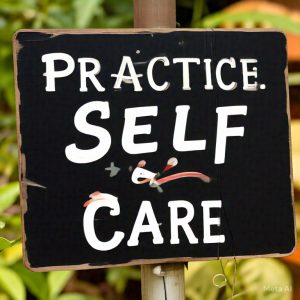
Let’s face it the emotional stress list can be endless! Importantly, remember that we do have a choice to include self-care on our “to do” list and make it a high priority too.
Above all, giving yourself permission to do whatever it takes to handle this season with self-care in mind may allow you to experience this season with more patience, joy and compassion. What a wonderful gift that would be!
If you are challenged figuring out what to do for your holiday self-care you might check out this great resource from the National Institute of Health: The Holiday Resilience Guide.
Do Contact Me together in therapy we can explore life coping tools for you to incorporate into your life’s journey! Anxiety Therapy, Depression Therapy, Grief Therapy can make a difference!
JD’s Midlife Tools For Living Practices, Holland, MI
Offering Heartfelt care, Compassion and Coping Tools

Image by free pic
This really is a very important holiday this day of giving thanks. Not only is it an opportunity to spend time with family and friends over an especially delicious dinner but, it is a reminder itself of the importance that giving thanks, that gratitude has in our lives.
According to Harvard Health Giving thanks can make you happier studies have shown that “gratitude is strongly and consistently associated with greater happiness.”
“Gratitude helps people feel more positive emotions, relish good experiences, improve their health, deal with adversity, and build strong relationships.”
When I take a moment to focus on what I am grateful for it feels like my whole body takes a deep joyful breath of fullness!
I do have so very much to be thankful for even when I am going through a hard time, even when it’s cold and gray inside and out, even when a pain is sharp, even when I don’t want what is to be as it is. There still is room for gratitude. Plenty of room.
We really don’t have to look too far to see others who have far more challenging predicaments than we do! In those moments I am most grateful to have my life ‘stuff’ to content with rather than their life ‘stuff’. Even when my ‘stuff’ hurts like hell.
So, I challenge you to stop and smell the roses so to speak by offering a genuine heartfelt thanks to someone. Or by silently offering thanks for something you are in fact grateful to have been given.
It’s right there in front of you ready and waiting…just open your awareness and let the gift of gratitude fill up your heart!
If you are struggling with severe depression or anxiety, a loss this may be a very difficult if not impossible question to answer. Working through your challenges via Anxiety Therapy, Depression Therapy, Grief Therapy will help you to be able open your heart to the power of gratitude.
Do Contact me today if your struggling and would like to be able to bring gratitude into your life!
And do take a peek at the article listed above to explore ways to cultivate gratitude into your life!
JD’s Midlife Tools For Living Practices, Holland, MI
Offering Heartfelt care, Compassion and Coping Tools!
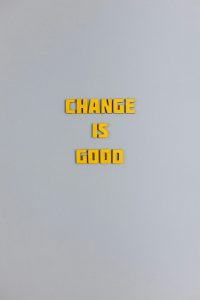
Photo by Thirdman: Pexels
Seasons change, it officially turned fall here in West Michigan but you wouldn’t know it. We’ve had near record-breaking temperatures! Making it hard to believe it’s fall. I for one am very grateful for a few extra summer-like days.
I cleaned and refreshed the hummingbird feeder in the yard for likely the last time recently. I noticed a couple of hummers a week or so ago but have not noticed anyone since. They move south in the fall and return in the spring to our area. Along with the darker mornings, spent flowers in my yard and leaves that have started to fall; I hate to see my little hummer friends go!
I have to admit that accepting the reality that change is constant, isn’t always an easy task for me to do. I am a creature of routine and habit. Sameness is easy and comfortable. Change often is not.
On the other hand, sameness can get old, boring and dull and change does bring growth and new opportunity.
Since I don’t have control over the sun and how the earth moves around it, I probably need to adjust myself to that which I cannot change. And I need to remember that which I can change is my perspective and attitude and way of thinking.
Some things are certainly easier to recognize my lack of control over. Others are not so easy to determine. My wise self the blend of my emotion mind and reasonable mind can help me to make that determination.
The Serenity Prayer offers a useful tool to tap into our wise mind when we need to.
“God grant me the serenity to accept the things I cannot change, the courage to change the things I can and the wisdom to know the difference.”
Becoming aware of my resistance thinking is the first step towards my acceptance of change. We need some quiet internal space to accurately see where our thoughts are leading us. Once I recognize my resistance I am more capable of making the distinction between what I have and have no control over.
I can change my thoughts to what fall brings rather than what fall takes away. Fall brings apples, less weed pulling to do, pretty colored leaves to look at, cooler temps to wear fuzzy warm sweaters in. It brings mom’s yummy apple pie, a brightness in the color of the sun, meals with mashed potatoes and gravy. Suddenly fall doesn’t seem all so bad!
What helps you accept changes in your life?
If you have struggles accepting change in your life and find yourself filled with intense unrelenting sadness or worry, Depression Therapy, Anxiety Therapy can help.
Do contact me today!
JD’s Midlife Tools For Living Practices, Holland, MI
Offering Heartfelt care, Compassion and Coping Tools!

I do go about living on autopilot more often than I like to admit. It happens when I take life or my circumstances for granted. And when I am barely aware of what is going on around me. Also when I default to my “automatic” ways of being, thinking and doing in certain situations.
I am living on autopilot when I meander about without any thoughtful focus. And when I’m going through the motions of life almost unconscious like. Also when I’m not aware of how I’m acting.
One day I recall driving home from work along a very familiar route from the south side of Holland, MI to the north side. After having gotten to the other side of a stop light I recall hoping the light I just drove through was green! I was living on autopilot driving home from work that day. I really did not recall if the light was red or green.
Breathing a sigh of relief I was grateful that no one was hurt and looked in the mirror to see the light was indeed green.
Imagine what it would be like to show up for an activity with the intention to get the most out of it. Or what it would be like to intentionally look for the positives in a person and let go of judgments—that person you’re looking at could even be you. Or what it would be like to not have the problems you encounter today define how this day goes for you.
Mindfulness is the practice of living in the present moment, paying attention on purpose and not judging but rather fully accepting what is happening—right here, right now.
When we are mindful of our thoughts they have less power over us. Thoughts are after all just thoughts. Thoughts simply come and go unless we become attached to or fused with a thought. We then cling to it instead of letting it move on down the river of thought that flows through our mind all day long.
Judgments are simply just one kind of thought. We can intentionally see a judgment for what is it—a thought that can be let go of and does not need to be clung to and believed and acted upon.
An intentional practice of mindfulness can help us live life more fully and be more at peace in our daily lives. It can help us is we suffer with anxiety and depression too.
Like anything else in life, it does takes practice and practice and practice to learn. And even more practice to maintain a skill. It just does!
You might consider incorporating an intentional mindfulness practice into your life.
For tips and tools, check out these wonderful resources:
DBT Self Help.com, Mindfulness
Mindful.org, How to Meditate
Also consider professional help especially if your anxiety or depression is interfering in your daily living.
Do Contact Me to begin Anxiety Therapy or Depression Therapy today!
JD’s Midlife Tools For Living Practices, Holland, MI
Offering Heartfelt care, Compassion and Coping Tools!