Phone: 616-217-9489 | eMail: jude@midlifetoolsforliving.com
JD's Midlife Tools For Living Practices, LLC


Designed by Freepik
Trauma can make it hard to go about everyday life. It can shake our sense of safety and create PTSD symptoms for us too!
When we experience the same traumatic event together whether as a community, country, family, work place, school we all can be affected in similar ways. Collective trauma results and this can change us at our center, at the heart of our community and of our relationships with family and friends.
Collective trauma events include things like hurricanes, earthquakes, tornadoes, slavery, mass shooting, the migrant detention centers at our borders, wars, volcano eruptions, fires, floods, railway and aviation accidents, sinking of ships, the Holocaust, Chernobyl, 911, the Covid 19 pandemic, National elections.
We have certainly had our share especially over the last several years!
Because trauma that is shared can affect us in many way not everyone will experience it exactly the same. Some of us will be more influenced than others. It can leave us struggling with our mental health, create challenges for generations and bring problems in our relationships. People may have to adjust to a new way of life and end up relating differently to each other.
Sometimes collective trauma is carried forward to a future generation when an ancestor has not fully processed and healed from a trauma experience that occurred to them. When it is difficult to recognize the source of ones struggles in the here and now it may have been carried forward from incidents in the past.
Some of us are better equipped to handle the challenges a trauma event can bring. Others of us are not so well equipped with the mental health resources we need to do so.
-Be aware. Notice how a collective trauma experience affects you and those around you. Process your feelings—journaling is a useful tool to do this.
-Talk to someone you trust. Learn to express your feelings. Open up about what has occurred to you and those around you.
-Take good care of you—eat well balanced meals, get good sleep, move your body.
-Find tools to calm your system—practice breath work, meditation, yoga.
-Give yourself time to work through the events and emotions you’ve just experienced. Be patient and compassionate with yourself. Healing is a journey.
-Do something to help others. This can help you gain a sense of control.
-Look for what you can be grateful for.
Remember that you do not have to deal with collective trauma on your own. It’s ok and important to connect with others, with safe people you can trust and be yourself around. Sharing experiences increases our resilience.
If you are struggling with intense feelings of depression and anxiety and just not sure what to do reach out for PTSD/Trauma Treatment. It’s important to take very good care of you!
Do Contact Me today!
JD’s Midlife Tools For Living Practices, Holland, MI Offering Heartfelt care, Compassion and Coping Tools!

Designed by Freepik
We are here once again in that ‘wonderful time of the year’ as the song lyrics go. This time of year, when we gather with and think of friends and loved ones we also do take notice of who is missing from our lives. And the reality of that loss, our holiday grief is painful.
It can slam into us out of nowhere and knock us over producing great sobs. Grief can gently nudge us with a reminder that brings a tear to our eye or into our heart. And presents itself to us in a multitude of ways.
It does take some amount of work or effort or practice to witness our grief, allow it to be, and feel the emotions. It doesn’t work to try to push it all way. Perhaps for a bit it will quiet down. But it won’t just simply go away and it only will be worse for us if we try to hide or mask it.
It’s normal to be touched by our grief during this what is supposed to be a joyful, wonderous time of the year. If you consider it, grief is a way we pay tribute to our relationship with those who are no longer by our side. If we didn’t care we wouldn’t feel the loss. And this can be loss of a family member, friend, and a beloved furry friend too.
We experience grief as well when we or someone we care about moves, we experience a divorce or job loss, an important friendship ends.
We are all unique in how we experience emotions and that includes grief. We each grieve in our own way and in our own time. There is no one way or a right or wrong way to grieve any loss.
Grief is a process of letting go, accepting and learning to live with the loss. This process takes time. It’s important to have compassion with ourselves as we do grief work for it is indeed work when we are grieving.
Not only does it take time but also energy and it can be rather exhausting work too—both physically and mentally. So, we need to allow space in our life to do grief work.
It is important to have some coping tools to practice with when we are grieving. Some of us find comfort in journaling letters to our loved ones or simply writing down and validating what we are feeling and experiencing. Finding others to confide in such as a grief support group or trusted friend can help us feel supported. It helps to learn that others experience grief too. We are not so alone.
Attending therapy can be a way to help ourselves work through our grief, learn and practice additional coping tools, and be heard and supported too.
It is especially important to seek therapy if our grief is unresolved meaning we are unable to function normally or have intense suicidal thoughts or feelings of hopelessness. You can call 988 to talk to a trained helper, discuss this with your family doctor, but do call 911 or go to the nearest emergency room if you are experiencing a life-threatening emergency!
“Tis the season to be jolly” brings a mixture of challenges to our lives and awareness of our losses is definitely one of the challenges we contend with during this season! It just is. At times this season can leave us very far removed from feeling jolly.
This holiday season, do know that if and when grief shows up on the door step of your heart it’s ok to open that door and allow yourself the time and space you need to experience it. You will not be the only one doing so.
Remember it’s ok to ask for help when you need it from a trusted friend, your doctor or professional counselor.
Make a commitment to yourself to do all it takes to take good care of you this holiday season. You deserve to give yourself this gift! And no one but you can give it to you!
You can find more information about grief on the Grief Therapy page.
Do Contact Me to begin grief therapy today!
JD’s Midlife Tools For Living Practices, Holland, MI Offering Heartfelt care, Compassion and Coping Tools!

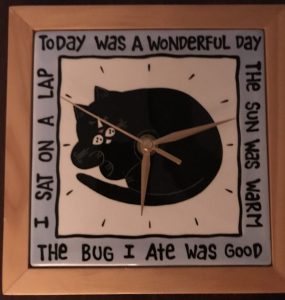
As our days are getting shorter especially since our fall back time change it’s not surprising if you begin to notice some mood changes. That includes feeling symptoms of seasonal depression.
As we change the clock, we also change our sleep cycle, our chemical balance and our circadian rhythms too.
The loss of natural light can cause us to experience a decline in our body’s ‘feel good’ chemical called serotonin that resides in our brains. The sun is our primary source of vitamin D which is an essential nutrient for our overall mental and physical health. We don’t see as much of the sun this time of year.
As the nights get longer our body’s production of melatonin increases. Melatonin is a sleep related hormone and, in the evening, it helps you feel sleepy.
The National Center for Biotechnology Information reported in the week after the November time change that people in their study had an increase in sleep dissatisfaction, difficulty staying asleep, in excessive daytime sleepiness, and in difficulty falling asleep.
When our internal body clock is disrupted as the days get shorter, it can lead to experiencing symptoms of depression. It is believed that melatonin plays a role for people with Seasonal Affective Disorder or SAD.
According to the Cleveland Clinic about 5% of us have SAD and 10-20% of us experience a mild form of it. People with it reportedly get 53 minutes less sleep in October than they do in September.
Seasonal Affective Disorder symptoms include:
Those of us here in West Michigan experience one of the Nations top grayest areas this time of year! More people who live in low sunlight states have SAD then those who live in areas with the most sunlight.
Make sure you have heathy sleep habits with a consistent pattern of bed time and wake up times.
Get outside—even on the gray days there is actually more of the kind of light outside that your body needs than you might think. Take a walk and on sunny days do soak up the sunshine!
Consume a healthy diet and be mindful of the amount of caffeine and alcohol you drink as both affect your sleep.
Move your body—even small amounts of exercise will help you feel better and energized.
Be social—keep in touch with family and friends.
If your seasonal depression symptoms are troublesome to you do reach out for Depression Therapy.
If you have intense thoughts of death or suicide don’t hesitate to call 988, 911 or go to the nearest emergency room for immediate assistance. You are worth taking good care of!
Do Contact Me today to begin therapy so your SAD doesn’t overwhelm you and you can enjoy a wonderful day!
JD’s Midlife Tools For Living Practices, Holland, MI Offering Heartfelt care, Compassion and Coping Tools!
Designed by Freepik
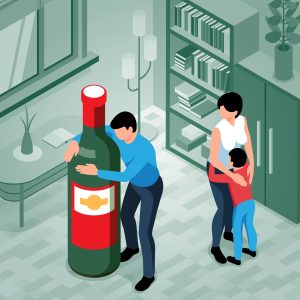
It is so hard to watch a loved one with a substance abuse problem. They keep drinking too much over and over and over. You want them to stop and join the family again, not behave in ways that are so hurtful. You want to say something, to tell them to stop. Perhaps you have and even pleaded with them.
You can be open and honest about your concerns. The choice to stop is up to them to make and do. It is common for loved ones to react with defensiveness, anger, to lash out and even deny that their drinking is a problem when concerns are brought up to them.
Some do’s:
-Find a time when your love one is not or has not been recently drinking and you are both calm.
-Find a quiet private place where you won’t be interrupted. Turn off your phone.
-Tell your loved one in a caring way about your concerns with their drinking, the effect it’s having on their health, your relationship and your family.
-Be neutral and compassionate. It’s important not to judge your loved one’s behavior or try to shame them. Choose your words carefully—rehearse ahead of time.
-Encourage your loved one to open up with you.
-Do expect pushback and denial.
-Give your loved one time and space to come to terms with your concerns.
Some don’ts:
-Don’t take negative reactions personally or let the reactions get under your skin.
-Don’t threaten, punish, bribe, preach, make ultimatums. These gestures will only add to the problem and increase your loved one’s reasons to drink and feelings of guilt.
-Don’t cover up or make excuses for your loves one’s behavior. Shielding someone from their responsibilities prevents them from seeing the negative consequences of their drinking which delays them from getting help.
-Don’t blame yourself—you are not to blame for their drinking or responsible for their behavior and you can’t make them change.
When the time is right encourage your loved one to reach for help. Do realize however that your loved one needs to initiate these steps. They will need support, guidance and to learn new coping skills.
You can offer to sit with them while they call to make appointments or get information about treatment options. You can offer to accompany them to their doctor, counseling or group sessions. It is ultimately up to your loved one. Importantly do offer ongoing support and love as your dear one makes their way towards a recovery journey!
If you live in the greater Holland, MI area your loved one is welcome to Contact Me to start in person Substance Abuse Treatment!
And remember, it is important for you to seek support for yourself too! Therapy can help you learn new ways to communicate and take better care of yourself!
Do Contact Me today to start your own recovery journey! I offer both in person and virtual therapy counseling sessions.
JD’s Midlife Tools For Living Practices, Holland, MI Offering Heartfelt care, Compassion and Coping Tools!

Grief is work and definitely grief is hard work too! It plugs along at its own pace. We can’t rush it, force it, avoid it…oh, we can try but it bites us in the rear if we don’t step up and do the hard work to bravely walk through it. Doing so is exhausting work.
It’s is so hard to believe it has been a whole 10 years since my dad died…seems like it was just yesterday. I miss you Dad!
Grieving is about dealing with our loss and dealing with our loss and dealing with our loss. It goes on and on, it just does. Even for those of us who are doing ‘well’ and ‘moving forward’ it still goes on.
I am a person who knows what its like to have lost a parent. Ten years ago, that pain was so so so very raw and so very intense every time I went any where near its edge I wondered if I’d ever be able to walk through it.
Grief expert David Kessler tells us the goal of grieving it so someday remember with ‘more love than pain’. That does not mean no pain or love instead of pain but ‘more love than pain.’
It still hurts and I miss my dad especially on special days including the anniversary of his death. It always will. How could it not? But that wound is not as raw as it was 10 long years ago. There has been some healing as I’ve slowly walked my way through it allowing my grief to travel with me at its own pace.
What has been your experience with the hard work of grief?
.
Do Contact Me today! Grief Therapy can help you find your way through the pain of grief.
JD’s Midlife Tools For Living Practices, Holland, MI
Offering Heartfelt care, Compassion and Coping Tools

Designed by Freepik
Many communities across the US are experiencing unrest and distress related to the unjust treatment of people who are Black in our country. Some people have experienced the community discord, discrimination, and trauma first hand and may have lost their sense of safety.
This can lead to feeling overwhelmed, isolated, having trouble sleeping or difficulty concentrating. All are common reactions to witnessing and experiencing community violence.
Community violence incidents can also contribute to a heightened feeling of anxiety, depression and lead to increased use of drugs and alcohol.
If you’re experiencing these emotions or feeling angry, confused, or distressed in any other way, please know you’re not alone.
*Do set a limit on your media consumption, including social media, local or national news.
*Decide when checking on updates is helpful and productive for you, and when it’s not.
*Talk to others who understand and respect how you feel—family members, faith leaders, people you trust.
*Educate yourself on ways to help or get involved.
*Try to do your best in taking care of yourself physically as well as mentally: this applies to your diet, sleep schedule, exercise, etc.
*Maintain regular routines to the extent possible.
*Focus on what you can do to care for yourself right here right now.
*Do start with small, doable steps for you to cope or take action as you are ready.
*Recognize that traumatic reactions which are different from our typical life stress and can lead to avoidance, emotional numbness and shame. Learn how to manage it.
*Do reach out for PTSD Treatment if you find yourself filled with distress, avoidance, emotional numbness and shame which you are unable to manage on your own as you are coping during community unrest.
If you find yourself in need of immediate assistance, don’t wait call the national Disaster Distress Helpline at 1-800-985-5990 or the 988 Suicide & Crisis Lifeline at 988 to be connected with a trained, caring counselor for emotional support.
Both the DDH and Lifeline are available 24/7/365 and your calls are free and confidential.
The DDH also has a texting option (text TalkWithUs to 66746; standard messaging/data rates apply). The Lifeline also offers text and chat options, which can be accessed by texting 988.
Do Contact Me to begin therapy!
What will you do today to help yourself cope with community unrest?
JD’s Midlife Tools For Living Practices, Holland, MI
Offering Heartfelt care, Compassion and Coping Tools

Designed by Freepik
Did you know that journaling is an effective self-help coping tool you can use to help manage symptoms of depression? It is a way to pour out your heart, not be judged even by yourself, and to acknowledge and release your emotions.
It can help you step back observe and better understand yourself as well as take notice of the progress you’ve made. And all you need is a notebook and a pen.
Gosh, but what in the world do I write about?
For manage symptoms of depression…write down your goals for the day, 3 things you are grateful for today, what you accomplished today no matter how small, what things or events worsened or triggered your depression today, what helped you cope today.
To help with sadness you might experience….write a love letter to yourself and include all the comforting things you really need to hear.
To manage feeling hopelessness…write down what is creating the hopelessness today, a positive thought you can hold on to today.
For anger and irritability…write down where you feel the anger in your body described in detail, things that help you feel at peace, what you can do when feeling irritable to help you react differently.
To help with feelings of worthlessness…write down qualities you value in yourself, things you are most proud of, things that are worth living for, reasons why you are a good friend.
Simply writing out your feelings and what has triggered your emotions can help you get it out. It’s especially important to allow your emotions to come forth and out as you write rather than holding it all inside.
It can be tempting to pound out our words on a keyboard. But the act of actually hand writing our thoughts out on paper helps us release emotions as we write.
Notice how your handwriting changes when you are having a really off day, a day filled with anger, or a rather peaceful day.
You don’t have to purchase a fancy journal book. A simple notebook like the ones you once used in school work just as well.
Journaling isn’t something you “must” do every day to reap benefits from writing. You can of course if you want to. But even picking up your notebook on a difficult day here and there can make a difference.
Journaling is another tool in your coping tool box to reach for and utilize when you need it.
What could you write about today?
Contact Me if you would like to start Depression Therapy!
JD’s Midlife Tools For Living Practices, Holland, MI
Offering Heartfelt care, Compassion and Coping Tools

Designed by Freepik
It’s likely there are several different causes for why people develop depression. It may be a combination of factors for some people and no obvious trigger for others.
Going through difficult experiences in childhood research shows can make you more vulnerable to experiencing depression later in your life. Those experiences include physical, sexual or emotional abuse, neglect, losing someone close to you, traumatic events, living in an unsettling family situation. These kinds of experiences affect our self-esteem and how we learn to cope with difficult emotions and stressful situations. Later in life this can make you feel less able to cope with difficult experiences and lead to depression.
Life events that are unwelcomed, stressful or traumatic like losing a job, having financial problems, relationship problems, losing a relationship, grief, major life changes like changing jobs or moving or getting married, being physically or sexually assaulted, being bullied or abused, experiencing racism all can trigger this condition.
Certain patterns of thinking are more likely to lead to depression like blaming ourselves for negative events or dwelling over and over about a negative event.
Coping with the symptoms of another mental health problem can trigger depression like anxiety, PTDS, eating problems.
Many health problems can be difficult to manage and affect our moods. Having poor physical health can increase our risk of developing depression.
If you have a close family member with depression you are more likely to experience it yourself. Our biology may cause it or it could be due to having learned certain behaviors and ways of coping as we grow up. It’s likely that both our genes and the environment we grow up in affect whether we develop depression or not.
Using alcohol and recreational drugs can contribute. We may start out to use substances to feel better but in the long run they can make us feel worse.
We are more vulnerable if we struggle with sleeping, being physically active and consuming a healthy diet.
Depression can be a side effect of many medications. It’s important to talk with your doctor if you suspect this something you are experiencing and see if an alternative medication is available.
There are many factors that can cause it to develop. And there are ways to treat it. Depression Therapy is a way to learn new ways of coping and be supported in a caring way as you heal!
What has contributed to your depression?
Contact Me today to begin your healing!
JD’s Midlife Tools For Living Practices, Holland, MI
Offering Heartfelt care, Compassion and Coping Tools

Designed by Freepik
Exercise has been shown to be as effective as antidepressant medication in treating mild to moderate depression. It is a powerful depression fighter because it promotes all kinds of changes in our brain. Exercise promotes neural growth, reduces inflammation, and adds new activity patterns that promote feelings of calm and well-being.
It also releases endorphins, powerful chemicals in your brain that energize your spirits and make you feel good. Exercise also serves as a distraction, allowing you to find some quiet time to break out of the cycle of negative thoughts that feed depression.
And you don’t need to devote hours out of your busy day to get to the gym, sweat buckets, or run miles after to reap all the physical and mental health benefits of exercise.
Just 30-minutes of moderate exercise five times a week is enough. And that can even be broken down into two 15-minute or even three 10-minute exercise sessions if that’s easier for you to do.
If you don’t have time for 15 or 30 minutes of exercise, or if your body tells you to take a break after 5 or 10 minutes that’s okay. Start with 5- or 10-minute sessions and slowly increase your time. The more you exercise, the more energy you’ll have and eventually you’ll feel ready to do a bit more. The key is to commit to some moderate physical activity—however little—on most days.
Research shows that moderate levels of exercise are best for most of us. Moderate means: that you breathe a little heavier than normal, but are not out of breath; that your body feels warmer as you move, but not overheated or very sweaty.
Many of us find it hard enough to motivate ourselves to exercise at the best of times. But when you feel depressed, anxious, stressed or have another mental health problem, it can seem impossible to do. This is especially true of depression and anxiety, which can leave you feeling trapped in a catch-22 situation.
You know exercise will make you feel better, but depression has robbed you of the energy and motivation you need to work out. So, start small, set achievable goals and build up from there. Schedule your exercise when your energy is highest.
How about dancing to some music or going for a short walk—a 15-minute walk can help clear your mind, improve your mood, and boost your energy level. As you move and start to feel a little better, you’ll likely boost your energy enough to exercise more.
Do activities you enjoy because any activity that gets you moving counts. That could be throwing a Frisbee with a dog or friend, walking laps of a mall window shopping, or biking to the grocery store. Gardening or tackling a home improvement project can be a great way to start moving more and can also leave you with a sense of purpose and accomplishment.
It can help to reward yourself with an extra treat for exercising like a hot bubble bath after a workout, a delicious smoothie, or with an extra episode of your favorite TV show.
You can make exercise a social activity. Exercising with a friend or loved one, or your kids, will not only make exercising more fun and enjoyable, it can also help motivate you to stick to a workout routine. You’ll also feel better than if you were exercising alone. In fact, when you’re suffering from depression, the companionship can be just as important as the exercise.
Move in and around your home. Clean the house, wash the car, tend to the yard and garden, mow the lawn with a push mower, sweep the sidewalk or patio with a broom. Sneak activity in at work or on the go. Bike or walk to an appointment rather than drive, use stairs instead of elevators, briskly walk to the bus stop then get off one stop early, park at the back of the lot and walk into the store or office, or take a vigorous walk during your coffee break.
Get active with the family. Perhaps jog around the soccer field during your kid’s practice, make a neighborhood bike ride part of your weekend routine, play tag with your children in the yard, go canoeing at a lake, walk the dog in a new place.
Go pick fruit at an orchard, boogie to music, go to the beach or take a hike, gently stretch while watching television, organize an office bowling team, take a class in martial arts, dance, or yoga.
Remember even a little bit of activity is better than none! Learn to make exercise a fun part of your day so you can start to feel better and get back into life again!
Contact Me to start Depression Therapy today!
What will you do to get some exercise today?
JD’s Midlife Tools For Living Practices, Holland, MI
Offering Heartfelt care, Compassion and Coping Tools
Designed by Freepik
Trauma flashbacks are one of the symptoms those with PTSD experience. They can develop at any time, especially when you’re triggered by events that remind you in some way of your past trauma. When having a flashback, you may relive the whole experience of your trauma again or go through just certain parts of it.
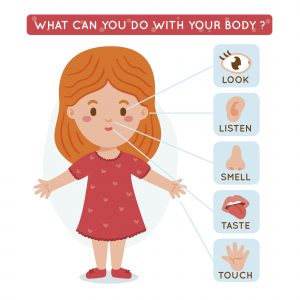
Trauma flashbacks can be triggered by particular places, people, situations, smells, touches, sights, sounds that remind you of the trauma in some way. Or you may find that flashbacks seem to happen at random. They can last for just a few seconds, or continue for several hours or even days.
During trauma flashbacks some people experience sweating, confusion, increased heart rate. They can see images of the traumatic event happening, feel pain and other physical sensations, hear word or sounds related to the trauma event. They also feel disconnected from their body, emotions and memory and come out of the flashback not understanding where they are or how they got there.
Flashbacks can be very distressing, but there are things you can do that to help you cope and navigate your way:
It can be helpful to keep a box of things with different textures and smells. Perhaps include things like a blanket, smooth stones, a bottle of lavender or another essential oil, peppermint chewing gum. That way you will have items ready to use when you need them the most!
Experiencing flashbacks may be a sign that you are struggling to confront or cope with the traumatic event you experienced. Treatment can help you with this!
Learn more about PTSD Treatment and Contact Me if you are ready start therapy today.
What coping tools will you try the next time you have a flashback?
JD’s Midlife Tools For Living Practices, Holland, MI
Offering Heartfelt care, Compassion and Coping Tools
Designed by Freepik
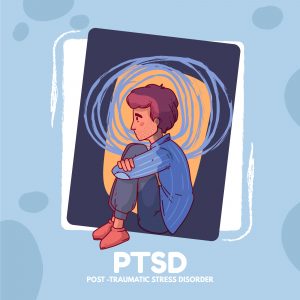
After experiencing or witnessing a traumatic event Post Traumatic Stress Disorder or PTSD can develop. It is a mental health condition that can often go undiagnosed or misdiagnosed and affects both men and women.
According to The American Psychiatric Association, the symptoms of PTSD fall into four categories and vary in how severe a person experiences them.
Many people who are exposed to a traumatic event experience symptom similar to these in the days following the event.
For a person to be diagnosed with PTSD the symptoms must last for more than a month and must cause significant distress or problems in the individual’s life and daily functioning. Many individuals develop symptoms within three months of the trauma, but symptoms can appear later on and often persist for months and sometimes years. You do not have to experience all of the symptoms to be diagnosed with PTSD.
There are other conditions alongside PTSD that people who have been exposed to a traumatic event experience like depression, substance use, memory problems and other physical and mental problems.
According to The American Psychiatric Association, “It is important to note that not everyone who experiences trauma develops PTSD, and not everyone who develops PTSD requires psychiatric treatment. For some people, symptoms of PTSD subside or disappear over time. Others get better with the help of their support system (family, friends or clergy).”
“But many people with PTSD need professional treatment to recover from psychological distress that can be intense and disabling. It is important to remember that trauma may lead to severe distress. That distress is not the individual’s fault, and PTSD is treatable. The earlier a person gets treatment, the better chance of recovery.”
If you think you may be experiencing PTSD please know that with treatment you can learn to manage your symptoms and improve the quality of your life!
Are you suffering with undiagnosed PTSD?
Learn more about therapy with me: PTSD Treatment
Contact Me to get your treatment started today!
JD’s Midlife Tools For Living Practices, Holland, MI
Offering Heartfelt care, Compassion and Coping Tools
*From the article:
https://www.psychiatry.org/patients-families/ptsd/what-is-ptsd

Designed by Freepik
Do you struggle with memories of past trauma that’s been triggered by recent news coverage? The current news and political climate can be more PTSD trauma triggering than ever!
With all the focus on difficult topics like sexual assault, immigration, and natural disasters, it can be difficult to separate current events from your own trauma history. It does takes time, courage and support to learn how to deal with these reminders.
Go for a walk, run, dance to a favorite song. Our senses are very much involved in the ways that we store memories. We can combat and even create new memories through our senses by engaging in some of the activities that bring calm.
By simply focusing on your breath you are practicing being mindful! Of course, your mind will wander and when it does just gently bring it back to notice your inhales and exhales. Doing this will help change you physiological responses to upsetting images and emotions by clearing your mind of the past.
Or call the 988 Suicide & Crisis Lifeline at 988 to be connected with a trained, caring counselor for emotional support.
Both the DDH and Lifeline are available 24/7/365 and your calls are free and confidential.
The DDH also has a texting option (text TalkWithUs to 66746; standard messaging/data rates apply). The Lifeline also offers text and chat options, which can be accessed by texting 988.
What coping tools will you use today?
If you’re struggling with past traumatic experiences, reaching out for help can be the first step towards healing.
Do Contact me today! I specialize in PTSD Treatment.
JD’s Midlife Tools For Living Practices, Holland, MI
Offering Heartfelt care, Compassion and Coping Tools